01 November 2026
Finding the Best Knoxville Car Shippers: A Complete Guide to Comparing Shipping Quotes, Transport Options, and Vehicle Protection
Presented by @shanejlfj521
Moving a vehicle between cities or across state lines requires more than finding someone with a suitable trailer. Vehicle owners need a transportation provider that understands scheduling requirements, uses appropriate equipment, explains pricing clearly, and takes reasonable precautions throughout the delivery process. Whether you are relocating from Knoxville, purchasing a car from another state, selling an automobile to an out-of-area buyer, or transporting a specialty vehicle, choosing the right shipping company can make a considerable difference.
With several transportation arrangements available, comparing providers can initially seem confusing. Some companies specialize in open carrier shipping, while others offer enclosed transportation, door-to-door delivery, or specialized handling for vehicles that do not operate. Prices can also vary according to distance, vehicle dimensions, route demand, and delivery preferences. Understanding these differences helps customers make informed decisions instead of relying entirely on the lowest advertised estimate.
This comprehensive guide explores how to evaluate Knoxville car shippers, compare shipping quotes, select appropriate transportation methods, and protect your automobile before, during, and after delivery. By understanding the essential details of the process, you can arrange vehicle transportation with greater confidence.
Understanding the Role of Professional Knoxville Car Shippers
Car shipping companies arrange the transportation of automobiles from one location to another using specialized vehicles and equipment. Depending on the business model, a company may operate its own transport trucks or work as a broker that connects customers with authorized motor carriers.
For Knoxville residents, professional vehicle transportation can be useful when arranging local moves, interstate relocations, long-distance purchases, and commercial vehicle deliveries. Rather than driving an automobile hundreds or thousands of miles, owners can arrange professional pickup and delivery based on their preferred schedule.
Transportation providers commonly serve different customer groups, including:
- Private vehicle owners: Individuals relocating or sending an automobile to another household.
- Car buyers: Customers purchasing vehicles from dealerships, auctions, or private sellers outside Tennessee.
- Automotive dealerships: Businesses transferring inventory or arranging customer vehicle deliveries.
- Military families: Personnel coordinating vehicle transportation during relocation assignments.
- Classic car collectors: Owners who need transportation arrangements suited to valuable or specialty automobiles.
- Commercial organizations: Companies managing multiple vehicles across different locations.
Understanding your transportation requirements before contacting providers makes it easier to identify companies with the appropriate equipment, service options, and scheduling flexibility.
Why Comparing Multiple Auto Transport Quotes Matters
One of the most important steps when choosing a vehicle transportation company is requesting estimates from multiple providers. Shipping prices are not standardized across every route, and different companies may use different pricing structures, carrier networks, and service arrangements.
Comparing several estimates provides a clearer picture of the expected transportation cost. It also helps identify unusually low offers, unclear payment conditions, and services that may not match your requirements.
Understand What Each Quote Includes
A transportation estimate should explain the services covered by the proposed price. Customers should check whether the quoted amount includes carrier transportation, pickup coordination, delivery arrangements, and any applicable additional charges.
Some estimates may be preliminary rather than guaranteed. For example, a broker might provide an initial price based on current market conditions before securing a carrier. Ask whether the quoted amount can change and under what circumstances an adjustment would apply.
Compare Deposits and Payment Requirements
Payment arrangements can differ between auto transport companies. Some require a deposit when a carrier is assigned, while others collect payment at pickup or delivery. Customers should understand the payment schedule before agreeing to the service.
Review the accepted payment methods, cancellation rules, refund conditions, and any additional charges associated with changes to the booking. Written documentation helps prevent misunderstandings later.
Look Beyond the Lowest Price
A low shipping estimate may appear attractive, but price should never be the only deciding factor. An unusually inexpensive offer might not reflect current carrier availability or could be based on assumptions that change when transportation is arranged.
Compare the company's registration, customer feedback, insurance information, communication practices, and contract terms alongside the price. A transparent provider with realistic expectations may offer better overall value than an estimate that seems too good to be true.
Important Factors That Influence Knoxville Car Shipping Rates
Auto transport pricing depends on several variables. Knowing what affects the final cost helps customers understand why two similar vehicles may receive different estimates.
1. Shipping Distance and Route
The distance between the pickup and delivery locations is a major pricing factor. Longer transportation Knoxville auto shipping routes generally involve more fuel, driver hours, and operating expenses. However, the price per mile may be lower on longer journeys because carriers can distribute certain costs across a greater distance.
Popular routes between major metropolitan areas may have more available carriers than shipments involving remote destinations. Route accessibility and transportation demand can therefore influence the final estimate.
2. Vehicle Dimensions and Weight
Compact cars typically require less trailer space than large SUVs, pickup trucks, vans, and oversized vehicles. Larger or heavier automobiles can reduce the number of vehicles a carrier can transport in one trip, potentially increasing the shipping cost.
Provide accurate information about your vehicle's make, model, year, dimensions, and modifications when requesting quotes. Lifted suspensions, oversized tires, aftermarket accessories, and reduced ground clearance may require special arrangements.
3. Transportation Method
The type of carrier selected also affects pricing. Open transport is generally more economical because multiple vehicles can share an exposed trailer. Enclosed transportation usually costs more because it offers additional protection and uses specialized equipment.
Customers should choose based on the vehicle's value, condition, and protection requirements rather than assuming the most expensive option is always necessary.
4. Pickup and Delivery Accessibility
Transportation providers consider how easily a large carrier can reach the requested addresses. Narrow streets, low bridges, restricted parking areas, and residential access limitations can make direct pickup difficult.
When a truck cannot safely reach the exact location, customers may need to arrange a nearby meeting point. Rural destinations may also involve additional travel compared with locations close to major transportation routes.
5. Seasonal Demand and Delivery Deadlines
Shipping rates may fluctuate according to seasonal transportation activity, carrier availability, and weather conditions. Customers with strict pickup or delivery deadlines may have fewer scheduling options than those with flexible dates.
Booking early and allowing a reasonable pickup window can make it easier to compare transportation arrangements. Expedited shipping may be available, but it can involve additional costs.
Exploring Different Knoxville Car Transportation Options
Before selecting a shipping provider, consider the different transportation methods available. Each option offers particular benefits depending on the vehicle and the customer's expectations.
Open Carrier Auto Transport
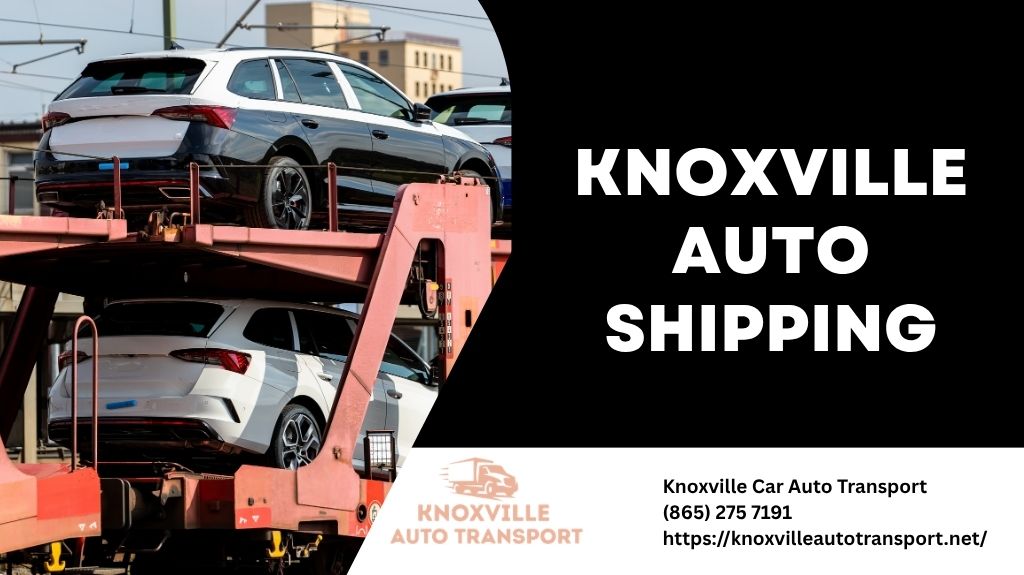
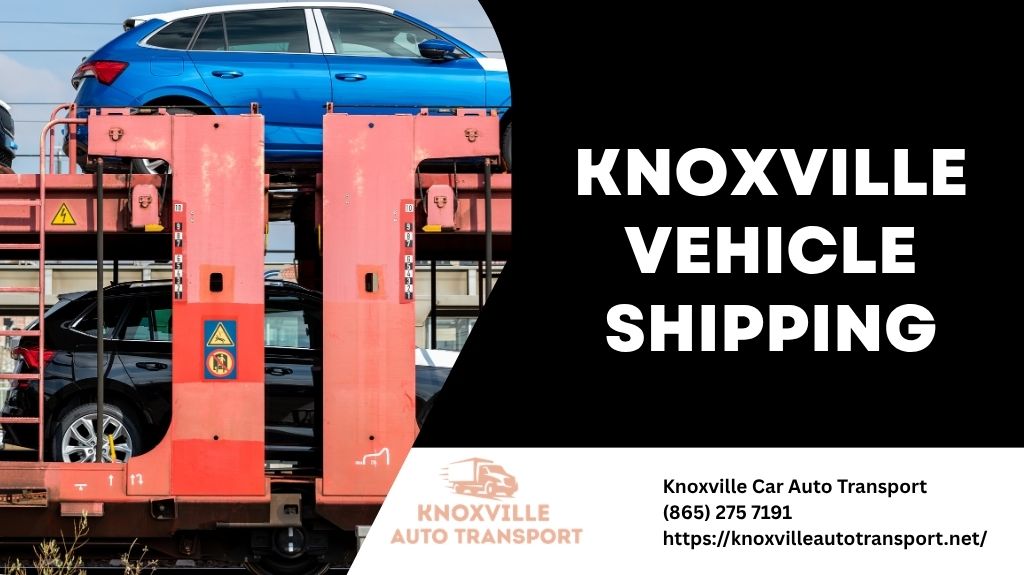
Open carrier transportation is a widely used method for moving standard automobiles. Vehicles are secured to an open trailer, often alongside several other cars traveling along a similar route.
This arrangement is popular because it offers broad availability and competitive pricing. It is suitable for many everyday vehicles, including sedans, SUVs, pickup trucks, and dealership inventory.
The main consideration is exposure to outdoor conditions. Vehicles may encounter rain, dust, wind, and ordinary road debris during transit. Although open transport is commonly used, customers should understand that it does not provide the same level of environmental protection as an enclosed carrier.
Enclosed Vehicle Shipping
Enclosed transport places automobiles inside a covered trailer, protecting them from many external elements during transportation. This option is frequently considered for luxury vehicles, classic automobiles, exotic models, and valuable collectibles.
Enclosed carriers generally accommodate fewer vehicles and require specialized equipment. Consequently, transportation costs are usually higher than those associated with open carriers.
For owners who prioritize additional protection, the increased expense may be worthwhile. Ask the company about loading procedures, equipment suitability, and available insurance coverage before confirming the shipment.
Door-to-Door Auto Transportation
Door-to-door service is intended to make the pickup and delivery process more convenient. The carrier collects the vehicle and delivers it as close as safely and legally possible to the addresses provided by the customer.
This arrangement reduces the need to travel to distant transportation terminals. However, large trucks cannot access every neighborhood or private property. Customers should confirm pickup accessibility and discuss alternative meeting locations if necessary.
Terminal-to-Terminal Shipping
Terminal-to-terminal transportation requires customers to drop off and collect vehicles at designated facilities. Depending on the provider's network, this option may offer flexibility for people who can travel to the terminals themselves.
Before selecting terminal service, ask about storage arrangements, operating hours, additional handling charges, and vehicle release procedures. These details can affect both convenience and total shipping expenses.
Non-Running Vehicle Transportation
Not every automobile being shipped is mechanically operational. Damaged vehicles, restoration projects, auction purchases, and older automobiles may require transportation even when they cannot drive onto a trailer.
Some providers offer winch-equipped carriers or specialized loading equipment for non-running vehicles. Inform the company about the vehicle's mechanical condition, steering, braking, and tire situation before requesting an estimate.
How to Evaluate Vehicle Protection and Insurance Coverage
Protecting an automobile during transportation should be a priority regardless of its market value. While professional carriers use equipment designed to secure vehicles, customers should understand the insurance arrangements and inspection procedures before shipping.
Verify the Transporting Carrier's Insurance
Ask for information about the actual carrier's cargo insurance, including coverage limits, exclusions, deductibles, and claims procedures. If you are booking through a broker, remember that the company arranging transportation and the carrier physically moving your automobile may be separate businesses.
Request relevant insurance documentation and clarify whether the policy applies to your particular vehicle and transportation arrangement. Personal belongings stored inside the automobile are commonly excluded from carrier cargo coverage.
Understand Insurance Limitations
Insurance policies can contain exclusions relating to pre-existing damage, mechanical failures, personal property, and certain types of vehicle conditions. Customers should never assume that every possible loss is automatically covered.
If you own an expensive or collectible automobile, consult your personal auto insurance provider about additional protection during transportation. Confirm any requirements before the vehicle is collected.
Document the Vehicle's Existing Condition
A detailed inspection provides important documentation if a damage concern arises. Before pickup, clean the exterior and photograph the vehicle from multiple angles. Capture existing scratches, dents, paint damage, wheel condition, glass, and other noticeable imperfections.
The driver should complete a vehicle condition report, commonly called the Bill of Lading, during pickup. Review the document carefully and make sure existing damage is accurately recorded before signing.
Inspect the Vehicle at Delivery
Once the vehicle arrives, examine it carefully in adequate lighting. Compare its condition with the original pickup photographs and inspection report. If you notice new damage, document it immediately on the delivery paperwork and take photographs.
Ask the carrier about the process for reporting damage and follow the applicable deadlines and documentation requirements. Keep copies of all relevant transportation records.
Essential Qualities to Look for in Reliable Knoxville Car Shippers
Choosing a transportation company requires evaluating more than its advertised services. A dependable provider should demonstrate professionalism, transparency, and a clear understanding of vehicle shipping procedures.
Proper Registration and Operating Authority
For interstate transportation, verify the applicable registration and operating authority of the company involved. Motor carriers and transportation brokers have different regulatory requirements.
The Federal Motor Carrier Safety Administration (FMCSA) provides online resources for checking company information and safety-related records. Reviewing these details helps customers understand who will arrange and perform the shipment.
Positive and Consistent Customer Feedback
Online reviews can reveal patterns in customer experiences. Look for feedback concerning pickup coordination, delivery communication, pricing transparency, and how the company responds to unexpected problems.
Consider reviews from multiple independent platforms rather than relying on one source. A business's response to negative feedback can also provide useful information about its customer service approach.
Clear Contracts and Written Agreements
Before paying a deposit or confirming a shipment, review the transportation agreement. It should explain the service arrangement, estimated pricing, payment terms, cancellation policies, and responsibilities of the parties involved.
Do not rely exclusively on verbal promises. Ask for important terms in writing so that you have a clear reference throughout the process.
Responsive Communication
Shipping a vehicle involves coordination between the customer, transportation company, and assigned driver. Prompt communication helps everyone understand scheduling changes, pickup arrangements, and delivery expectations.
Look for providers that explain their procedures clearly and offer reasonable ways to obtain shipment updates. Avoid companies that cannot answer basic questions about the transportation arrangement.
Preparing Your Automobile Before the Carrier Arrives
Proper vehicle preparation can make loading, inspection, and delivery easier. Customers should follow the carrier's specific instructions, but several general practices apply to most shipments.
Clean the Exterior
Washing your automobile makes it easier to identify scratches, dents, and paint imperfections during inspection. A clean surface also helps ensure that photographs provide a useful record of the vehicle's original condition.
Remove Personal Items
Take out luggage, electronics, documents, valuables, and other personal belongings. Loose objects can shift during transit and may not be covered by the carrier's insurance policy. Check the provider's rules before leaving any permitted items inside the vehicle.
Check Tires, Battery, and Fluid Leaks
Confirm that the vehicle is in suitable condition for loading if it is being shipped as operational. Report battery problems, fluid leaks, damaged tires, or mechanical issues before pickup. Non-running vehicles may require additional loading arrangements.
Keep the Fuel Level Low
For most operational vehicles, approximately one-quarter of a tank is sufficient unless the carrier provides different instructions. This provides fuel for loading and unloading while avoiding unnecessary vehicle weight.
Secure Accessories and Loose Parts
Remove detachable accessories, secure loose components, and retract antennas when possible. Make sure windows and doors are properly closed. Provide the driver with any special operating instructions needed to handle the vehicle safely.
Understanding the Complete Car Shipping Process
Knowing what happens after booking helps customers prepare for each stage of transportation. Although individual providers may use different procedures, most shipments involve the following steps.
Step 1: Request a Detailed Quote
Provide the vehicle's make, model, year, operating condition, pickup address, delivery location, and preferred dates. Accurate information helps the company prepare a more realistic estimate.
Step 2: Compare Providers and Confirm the Booking
Evaluate multiple quotes, check registration information, review insurance arrangements, and read the service agreement. Once you identify a suitable provider, confirm the payment requirements and booking details.
Step 3: Coordinate Pickup
The company arranges a carrier based on the selected route and equipment requirements. The driver or transportation coordinator typically contacts the customer to confirm the pickup arrangements.
Step 4: Complete the Initial Inspection
At pickup, the driver examines the automobile and records its existing condition on the Bill of Lading. Customers should review the report, confirm that visible damage is documented, and retain a copy.
Step 5: Follow Transportation Updates
During transit, maintain communication with the provider regarding delivery progress. Traffic, weather, route conditions, and other operational factors may affect the estimated arrival time.
Step 6: Complete the Final Inspection
When the vehicle reaches its destination, inspect it thoroughly before signing the delivery paperwork. Record any newly discovered damage and follow the carrier's claims instructions if a problem occurs.
Common Mistakes to Avoid When Comparing Vehicle Shipping Companies
Even when customers understand the basic transportation process, overlooking small details can lead to unnecessary complications. Avoiding the following mistakes can help make your shipping experience more predictable.
- Accepting an unrealistic estimate: Extremely low quotes should be examined carefully, especially when the provider cannot explain how the price was calculated.
- Ignoring the broker-carrier distinction: Confirm whether the company transports vehicles directly or arranges service through another carrier.
- Overlooking insurance exclusions: Ask for policy details instead of assuming that all damage or personal belongings are covered.
- Providing inaccurate vehicle information: Incorrect dimensions, modifications, or operating details can affect carrier selection and pricing.
- Failing to check the agreement: Review cancellation terms, payment arrangements, and potential additional charges before booking.
- Expecting guaranteed delivery times: Transportation estimates can change because of weather, traffic, and other conditions outside the provider's control.
- Skipping vehicle photographs: Clear documentation provides a useful reference when comparing the automobile's condition before and after shipping.
Who Should Consider Professional Knoxville Vehicle Shipping?
Auto transportation is not limited to people moving between states. Several situations can make professional shipping a practical alternative to driving.
People Relocating for Employment
Employees accepting positions in other states may have limited time to organize their relocation. Professional car shipping helps them coordinate vehicle transportation while focusing on housing, work schedules, and other moving responsibilities.
Families Planning Long-Distance Moves
Families relocating with children may prefer to travel together rather than organize separate driving arrangements for every vehicle. Shipping one automobile can simplify the journey and reduce the number of long-distance driving responsibilities.
Customers Purchasing Vehicles Online
Online marketplaces and out-of-state dealerships allow buyers to explore vehicles beyond their immediate area. Professional transportation makes it easier to arrange delivery without personally traveling to the seller's location.
Dealerships and Fleet Managers
Businesses that regularly purchase, sell, or transfer automobiles can benefit from established transportation arrangements. Professional carriers help coordinate inventory movement while allowing employees to focus on sales and operations.
Classic and Specialty Vehicle Owners
Collectors and owners of valuable automobiles may prefer enclosed transportation for additional protection. Specialized equipment and careful handling can help meet the requirements of vehicles that need more attention than ordinary daily-use cars.
Useful Questions to Ask Before Choosing an Auto Transport Provider
Before signing an agreement, prepare a list of questions that addresses your most important concerns. The answers can help you compare providers and understand the responsibilities involved in your shipment.
- Are you operating as a licensed motor carrier or a transportation broker?
- Who will physically transport my automobile?
- What insurance coverage does the assigned carrier maintain?
- Are there any additional charges beyond the quoted price?
- What pickup and delivery windows should I expect?
- Do you offer both open and enclosed transportation?
- Can you accommodate oversized or non-running vehicles?
- Is door-to-door service available for my selected addresses?
- How will I receive updates during transportation?
- What steps should I follow if I discover damage at delivery?
A professional provider should be comfortable discussing these topics and explaining any limitations. Clear communication before booking helps establish realistic expectations for everyone involved.
Tips for Getting Better Value from Knoxville Car Transportation Services
Finding affordable vehicle transportation does not necessarily mean sacrificing important service standards. A few practical decisions can help customers balance cost, convenience, and protection.
- Request estimates from several transportation providers instead of accepting the first offer.
- Book ahead whenever possible to allow more time for carrier coordination.
- Maintain flexibility with pickup dates if your schedule permits.
- Compare open and enclosed transportation based on the vehicle's actual requirements.
- Provide accurate information to avoid unexpected changes in the estimate.
- Check whether alternative pickup locations could improve carrier accessibility.
- Review insurance and contract terms before making payment.
- Keep copies of photographs, inspection reports, and shipping documents.
These steps can help customers make more informed decisions while avoiding unnecessary expenses and misunderstandings.
Final Thoughts: Choosing the Best Knoxville Car Shippers
Finding the right vehicle transportation provider requires a balanced approach to pricing, service quality, carrier qualifications, and vehicle protection. Although comparing shipping quotes is an important starting point, customers should also examine insurance coverage, transportation methods, customer feedback, and written agreements before making a decision.
Whether you need to transport an everyday sedan, a family SUV, a classic automobile, or dealership inventory, selecting the appropriate carrier can make the delivery process more convenient. Open transport may suit standard vehicles and budget-conscious customers, while enclosed shipping can provide additional protection for valuable automobiles. Door-to-door and terminal-to-terminal arrangements offer different levels of convenience depending on location and scheduling needs.
The best Knoxville car shippers are those that explain their services honestly, communicate throughout the process, work with appropriately qualified carriers, and provide clear information about costs and responsibilities. By researching available options and preparing your vehicle properly, you can approach local, interstate, and long-distance transportation with greater confidence.
Take time to request detailed estimates, verify company information, understand the insurance arrangements, and review the transportation agreement. A well-planned shipping experience begins with choosing a provider whose services match your vehicle's needs and your expectations for safe, dependable delivery.
Contact Us:
Knoxville Car Auto Transport
(865) 275 7191